How to Eat Bottarga: The Mediterranean Guide
By Bottarga Turkey
One of the greatest pleasures of bottarga is its simplicity. Unlike many luxury ingredients that require specialist techniques, bottarga asks very little of the cook. Whether served in delicate slices, finely grated over warm pasta, or paired with fresh Mediterranean ingredients, its rich umami flavour transforms everyday dishes into something memorable. Because bottarga is already cured and ready to eat, the goal is not to cook it, but to use it thoughtfully. A small amount is often enough to bring balance, depth and elegance to a meal. This guide explores the best ways to enjoy bottarga, explains when to slice or grate it, and shares the simple principles that have defined Mediterranean cooking for generations.
The finest ingredients rarely need complicated recipes. Bottarga is no exception. For centuries, people across the Mediterranean have enjoyed it with little more than good bread, olive oil, fresh pasta and seasonal produce. Its remarkable flavour comes not from elaborate preparation, but from knowing how to let it shine.
The Mediterranean Philosophy
Throughout the Mediterranean, great cooking has always begun with great ingredients. Fresh seafood, fragrant olive oil, ripe tomatoes, seasonal vegetables and artisan bread form the foundation of countless traditional dishes. Bottarga belongs naturally within this philosophy.
Rather than dominating a plate, it complements the other ingredients. Its role is to enhance, not overwhelm. This is why bottarga is rarely hidden beneath heavy sauces or complicated seasoning. Instead, it is used sparingly, allowing its delicate balance of umami, salinity and natural sweetness to elevate the entire dish. Sometimes the finest meal is also the simplest.
Whole or Grated? Choosing the Right Format
One of the first questions many people ask is whether they should buy whole bottarga or grated bottarga. The answer depends entirely on how you intend to enjoy it.
Whole Bottarga
Whole bottarga offers the greatest versatility. It can be sliced into paper-thin pieces for appetisers or grated fresh whenever needed. Many food lovers enjoy preparing whole bottarga themselves because it allows complete control over thickness, presentation and serving style. Whole bottarga is ideal for:
- Sharing as part of a Mediterranean antipasti platter
- Serving with fresh bread and olive oil
- Creating elegant appetisers
- Grating fresh over pasta and seafood
- Entertaining guests
For those who enjoy cooking, whole bottarga offers the most authentic experience.
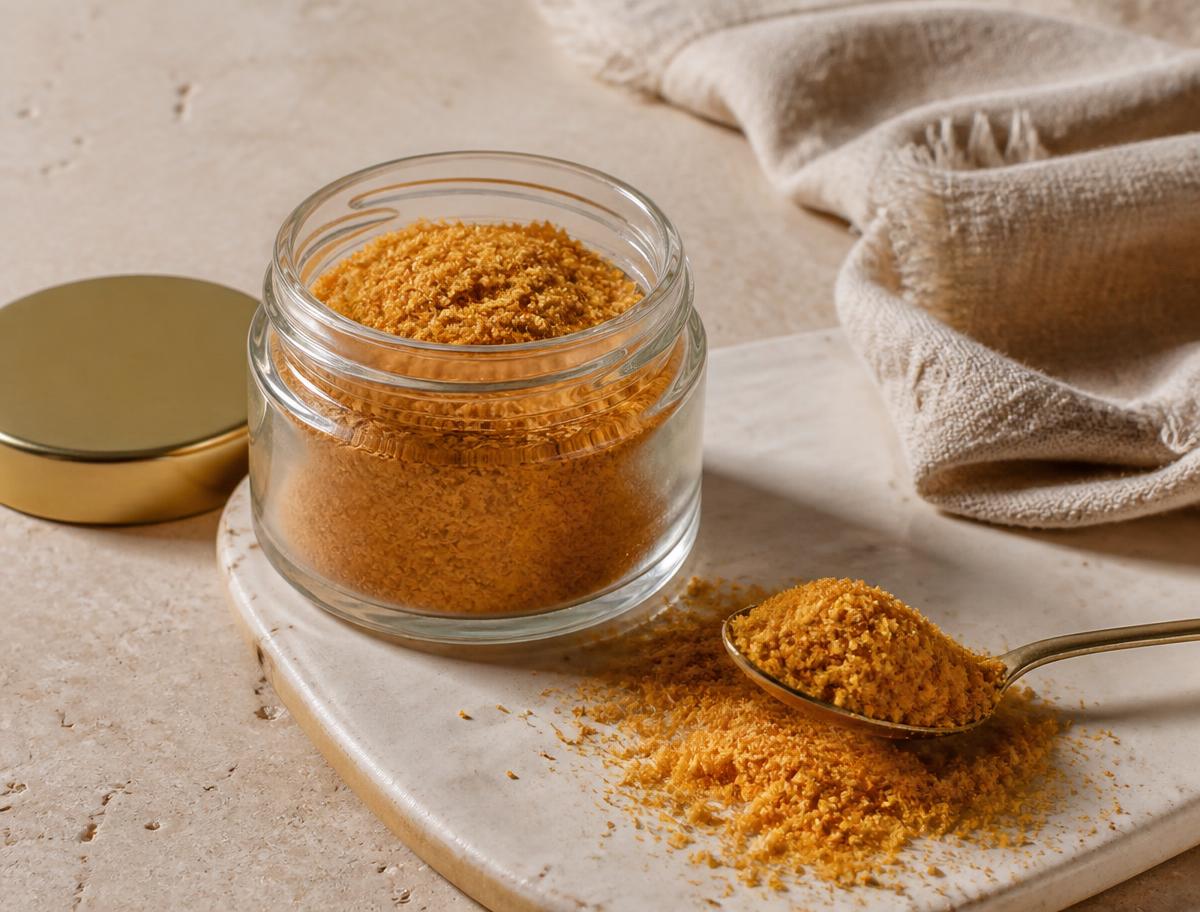
Grated Bottarga
Grated bottarga offers convenience without sacrificing flavour. Already prepared and ready to use, it is perfect for adding a finishing touch to everyday cooking. Simply sprinkle a small amount over warm dishes just before serving. Grated bottarga is particularly well suited for:
- Pasta
- Risotto
- Scrambled eggs
- Salads
- Roasted vegetables
- Compound butter
- Seafood
For many home cooks, grated bottarga becomes a pantry staple that can elevate meals in seconds.
How to Slice Bottarga
Slicing bottarga is straightforward, but a little care makes a noticeable difference. If your bottarga is protected by a wax coating, remove only the section you intend to use. Leaving the remaining portion covered helps preserve freshness.
Using a sharp knife, cut the bottarga into very thin slices. The thinner the slice, the more delicate the eating experience becomes. Thin slices reveal the smooth texture of the roe while allowing its rich flavour to unfold gradually. Serve with extra virgin olive oil, fresh lemon, crusty bread or mild cheeses for a classic Mediterranean combination.
How to Grate Bottarga
Grating is perhaps the most popular way to enjoy bottarga. A fine microplane or small grater produces light, delicate shavings that melt gently into warm food. Unlike cheese, bottarga should never become the dominant ingredient. Instead, think of it as a finishing seasoning. Just a few grams are enough to perfume an entire dish with its characteristic umami and subtle marine aroma. Freshly grated bottarga also delivers the most vibrant flavour, making whole bottarga an excellent choice for those who cook regularly.
When Should Bottarga Be Added?
This is one of the most important principles to understand. Bottarga should almost always be added at the very end of cooking. High heat can dull its delicate aroma and alter its texture. Instead, allow the residual warmth of freshly cooked food to gently soften the bottarga, releasing its flavour naturally. This simple technique has been used throughout the Mediterranean for generations.
The Best Foods to Pair with Bottarga
Bottarga works best with ingredients that allow its flavour to remain the centre of attention. Some of the finest pairings are also the simplest. Excellent companions include:
- Extra virgin olive oil
- Butter
- Lemon
- Parsley
- Fresh pasta
- Eggs
- Potatoes
- Seafood
- Burrata
- Fresh tomatoes
- Rustic bread
These combinations reflect the Mediterranean approach to cooking, where quality ingredients speak for themselves.
Simple Mediterranean Serving Ideas
You do not need an elaborate recipe to enjoy bottarga. Some timeless combinations include:
- Fresh sourdough with butter and thin slices of bottarga.
- Spaghetti dressed with olive oil, grated bottarga and lemon zest.
- Scrambled eggs finished with freshly grated bottarga.
- Creamy burrata topped with bottarga, olive oil and cracked black pepper.
- Warm roasted potatoes with parsley, olive oil and delicate bottarga shavings.
Each dish relies on balance rather than complexity.
Common Mistakes to Avoid
Like many exceptional ingredients, bottarga rewards restraint. One of the most common mistakes is simply using too much. Its flavour is naturally concentrated, so a small quantity is usually all that is required.
Cooking bottarga over high heat is another frequent error. Excessive heat reduces its delicate aroma and changes its texture. Heavy cream sauces can also overpower bottarga's subtle complexity. Lighter Mediterranean ingredients generally create a more harmonious result. Finally, proper storage matters. Once opened, bottarga should be wrapped carefully and refrigerated to preserve its quality.
Which Bottarga Is Best for Beginners?
If you are trying bottarga for the first time, grated bottarga offers the easiest introduction. It is convenient, simple to use, and allows you to experiment with a wide variety of dishes without any preparation.
Those who enjoy cooking, entertaining or exploring traditional Mediterranean food may prefer whole bottarga. It offers greater flexibility and allows you to experience the ingredient exactly as generations of Mediterranean cooks have enjoyed it.
Whichever format you choose, the same principle applies. Start with a little. Taste. Then let the ingredient speak for itself.
Everything Else You Need to Know
- Is sliced bottarga different from grated bottarga?
- The flavour is the same, but the experience is different. Thin slices highlight the texture and natural character of the roe, while grated bottarga blends seamlessly into warm dishes, creating a more even distribution of flavour.
- Can I grate whole bottarga myself?
- Yes. In fact, many chefs prefer it because freshly grated bottarga delivers the brightest aroma and gives you complete control over the texture.
- Should bottarga be served hot or cold?
- Bottarga itself is usually served at room temperature or added to warm food just before serving. It should not be exposed to prolonged high heat.
- Can bottarga be eaten on its own?
- Absolutely. Thin slices served with excellent olive oil and fresh bread are one of the purest ways to appreciate its flavour.
- What foods should I avoid pairing with bottarga?
- Very spicy dishes, heavily smoked ingredients and rich sauces can mask bottarga's subtle complexity. Simplicity almost always produces the best results.
- Is whole bottarga better value than grated?
- Whole bottarga often provides greater versatility because it can be sliced or grated as needed. Grated bottarga offers convenience, making it an excellent choice for everyday cooking.
- Can bottarga replace Parmesan cheese?
- Not exactly. While both are often grated over pasta, bottarga contributes umami and a delicate marine character rather than the creamy richness of cheese. Many Mediterranean dishes use bottarga instead of cheese to create a lighter finish.
- What is the best first recipe for someone new to bottarga?
- A simple plate of spaghetti with extra virgin olive oil, lemon zest and freshly grated bottarga is often considered the perfect introduction. It allows the ingredient to shine without distraction.