Grey Mullet Bottarga: The Fish Behind the Delicacy
By Bottarga Turkey
Every exceptional ingredient begins with exceptional raw material. For bottarga, that starts with grey mullet, a fish at home in the shallow, brackish edges of the Mediterranean. Bottarga can be made from the roe of several species. Grey mullet is the one most often preferred, by fishermen, producers and chefs alike.
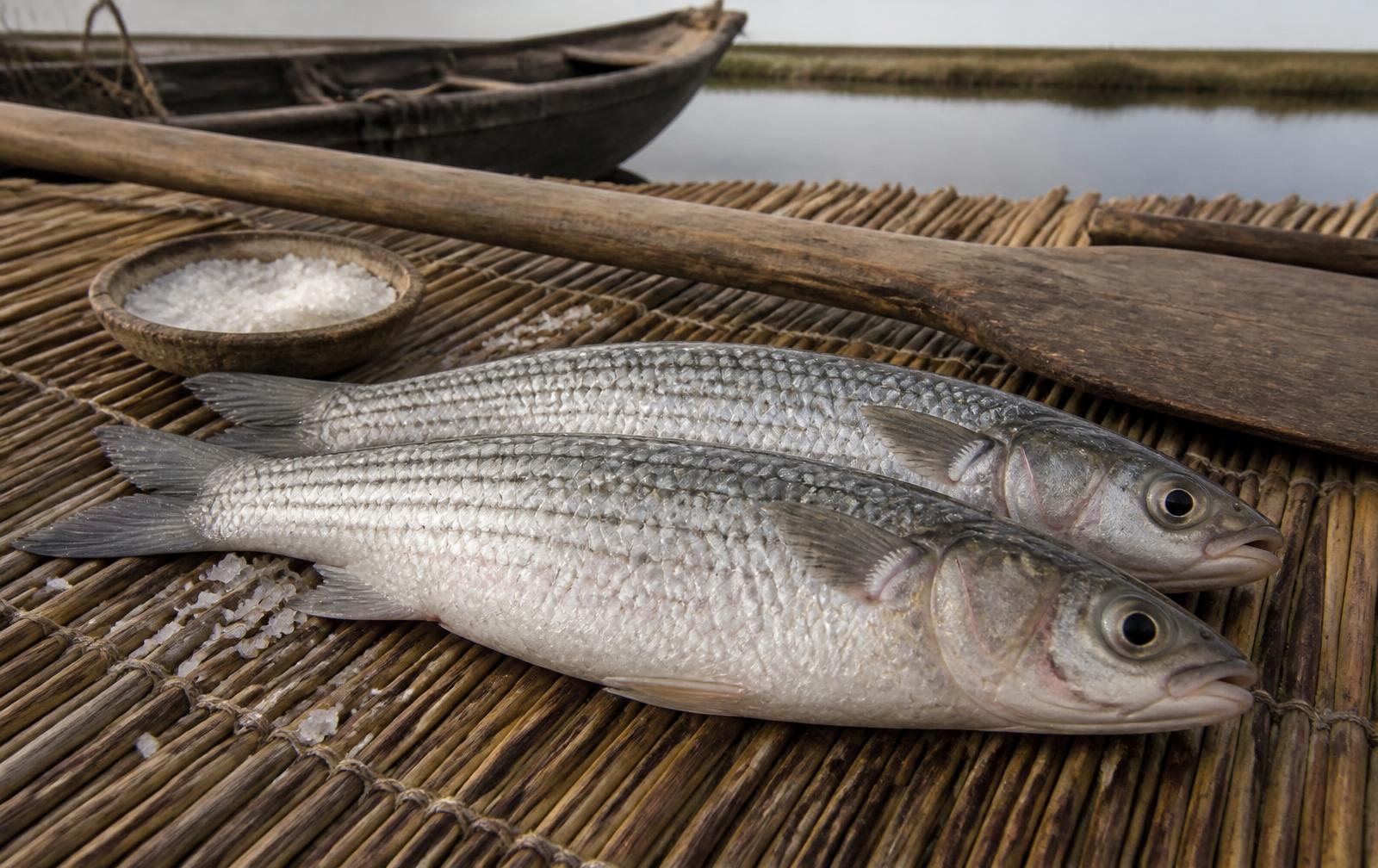
Grey mullet roe holds a balance of texture, richness and flavour that responds well to salting and drying. Understanding the fish is the shortest route to understanding why bottarga tastes the way it does.
A Fish Shaped by the Mediterranean
Grey mullet live where fresh water meets salt: coastal lagoons, estuaries, sheltered bays and shallow water. Those edges are productive, and the fish mature there before moving out to sea to spawn.
For coastal communities that seasonal movement has always marked a point in the fishing calendar. It signals mature fish, and with them the short window in which roe is worth taking.
Why Grey Mullet Roe Is So Highly Valued
Not all fish roe behaves the same way under salt. Grey mullet roe sacs are firm and evenly textured, and they carry enough natural oil to keep the finished piece supple. As moisture leaves during curing, flavour concentrates without turning harsh, which is why good grey mullet bottarga reads as savoury rather than aggressive.
- Deep umami without heaviness
- Restrained, clean salinity
- Smooth, close-grained texture
- Golden amber colour through the slice
- A clean finish rather than a lingering fishiness
- Range across pasta, eggs, vegetables and bread
The Season Decides the Quality
Quality is set long before curing begins. Roe develops only in specific weeks of the year, so timing matters more than technique. Taken too early the sacs are thin; taken too late the texture loosens and the flavour flattens.
The maturity of the fish, the season and the condition of the water all show up in the finished piece. Producers work to that calendar rather than the other way round.
Turkey's Place in the Mediterranean Tradition
Turkey's Aegean and Mediterranean coastlines hold the lagoons and estuaries grey mullet favour, and seasonal fisheries there have supplied local kitchens for generations. Cured roe is known in Turkish as kefal havyarı.
Turkish bottarga is less familiar internationally than some Italian regional styles. That is a matter of visibility rather than pedigree: the fish, the season and the method belong to the same Mediterranean story.
The most studied Turkish roe fishery is the Köyceğiz Lake and Dalyan lagoon-estuary system in Muğla, where mullet are caught on their migration towards the sea using traditional barrier traps. Several Mugilidae species are taken together there, chiefly the flathead grey mullet (Mugil cephalus), alongside golden grey mullet (Liza aurata), thinlip grey mullet (Liza ramada) and leaping mullet (Liza saliens).
From Roe to a Mediterranean Delicacy
The transformation is simple to describe and slow to do. Selected roe sacs are salted, gently pressed, then dried in cool moving air. Moisture leaves, the sac firms, and the flavour draws in on itself until a thin shaving carries the taste of a whole spoonful of sauce.
Complexity here comes from judgement rather than equipment: knowing when the salt has done enough, and when a lobe is ready to leave the drying room.
Why Chefs Choose Grey Mullet Bottarga
Chefs treat bottarga as a finishing ingredient. Unlike stronger cured seafood, grey mullet bottarga adds depth without taking the dish over.
It sits comfortably with fresh pasta, shellfish, vegetables, eggs, butter and good olive oil, sharpening what is already there. Shave it thin over a plate, or grate it at the moment of serving. A few grams change a dish, which is exactly why it stays on the shelf in serious kitchens.
For buyers, species and catch area are not trivia. They set expectations for size, yield, texture and season, and they are the first questions a serious supplier can answer. Our trade page collects those questions in a single enquiry.
- Why is grey mullet preferred over other fish for bottarga?
- Its roe combines firm texture, even grain and enough natural oil to cure well, giving a bottarga that is savoury and versatile rather than sharp.
- Is every grey mullet suitable for bottarga?
- No. Only mature roe taken in season is worth curing, and selection at the point of landing does much of the work.
- Does the fish's environment affect the final product?
- Yes. Water condition, diet, season and handling all show up in the finished piece, much as growing conditions show up in wine or olive oil.
- Why is grey mullet bottarga so widely regarded?
- Clean marine flavour, restrained salinity, smooth texture and range in the kitchen. It behaves predictably, which matters when a few grams finish a plate.
- Can grey mullet bottarga be used in everyday cooking?
- Yes. A small amount is enough for pasta, eggs, shellfish, roasted vegetables or a tomato salad, so a single piece goes a long way.
- Is Turkish grey mullet bottarga different from Italian bottarga?
- Both come from the same fish and the same curing logic. Differences usually reflect the roe, the season and the producer's judgement more than the country on the label.
- What should I look for when buying grey mullet bottarga?
- A firm, dense piece, an even golden amber colour and a clean marine aroma. Avoid lobes that feel brittle or look dried out at the edges.
Sources
The references below support the species and fishery information on this page.
- 1.'Age, growth, mortality, reproduction, and exploitation rates for fishery management of grey mullet species in the Köyceğiz Lagoon–Estuary', Acta Ichthyologica et Piscatoria (Pensoft). aiep.pensoft.net
- 2.FishBase, species summary for Mugil cephalus (flathead grey mullet): distribution, habitat and biology. fishbase.org
- 3.'Length-Weight, Length-Length Relationships and Condition Factor of commercial grey mullet species from Köyceğiz Lagoon in Turkey', Acta Aquatica Turcica. DOI 10.22392/actaquatr.540983; also readable on DergiPark. Covers the commercially caught mullet species of the same lagoon system. doi.org